
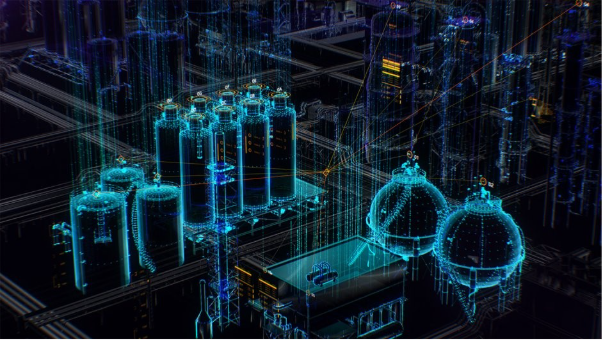
Digital Twin in Process Engineering: Beyond the Buzzwords
In the world of process engineering, buzzwords come and go—but digital twin is one term that’s proving it’s more than just industry jargon. While it sounds futuristic (and a bit like sci-fi), digital twins are already reshaping how we design, operate, and optimize complex systems. So, what exactly is a digital twin—and why should process engineers care?
Let’s go beyond the buzz and dive into the real deal.
🚀 What Is a Digital Twin?
A digital twin is a virtual replica of a physical asset, process, or system that continuously updates in real-time using data from sensors, control systems, and other sources.
In process engineering, this means creating a living, breathing digital model of a chemical plant, refinery, production line, or any industrial process—complete with dynamic data inputs that mirror what’s happening in the real world.
🧠 Beyond Simulation: The Power of a Twin
Simulations are nothing new. Engineers have been using them for decades. But what makes digital twins special is their connectivity and real-time synchronization.
Here’s how they level up traditional modeling:
1.Live Data Feeds: Pulls in real-time data from the plant
2.Predictive Capabilities: Forecasts failures or inefficiencies before they happen
3.Scenario Testing: Lets you safely experiment with process changes virtually
4.Lifecycle Insight: Tracks equipment from design to decommissioning
🏭 Applications in Process Engineering
- Process Optimization
Adjust process variables in the twin to improve yields or reduce energy usage—without risking real-world downtime.
- Predictive Maintenance
Instead of scheduling maintenance blindly, use the digital twin to predict wear and tear based on usage patterns and real-time stress conditions.
- Safety & Risk Management
Simulate hazardous scenarios to train operators or test emergency responses safely.
- Asset Performance Monitoring
Monitor and tweak equipment performance at any time from anywhere, reducing unplanned downtime.
Design and Commissioning
Use the twin from the very start—testing and validating designs before building anything physically.
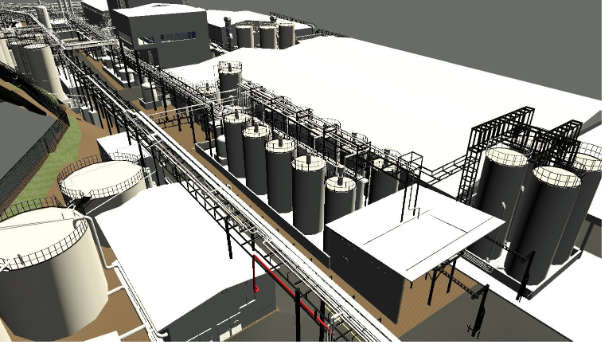
🔍 Real-World Examples
* Shell uses digital twins in their offshore oil platforms to monitor equipment and optimize operations.
*Siemens applies them across industrial plants to enhance productivity and reduce maintenance costs.
*AVEVA & AspenTech offer digital twin platforms that integrate with control systems like DCS/SCADA.
🌐 Challenges Still Exist
Let’s not sugarcoat it. Digital twins come with challenges:
*Data Quality: Bad or missing data leads to unreliable twins.
*Integration Complexity: Bridging IT and OT systems isn’t always seamless.
*Initial Investment: Requires upfront effort and budget.
*Cybersecurity Risks: More connectivity = more exposure.
🔮 The Future Is Connected
Digital twins are at the heart of Industry 4.0. As AI and machine learning evolve, twins will become smarter, more autonomous, and more essential. In process engineering, that means faster innovation, lower costs, and safer operations.
✍️ Final Thoughts
A digital twin isn’t just a buzzword—it’s a bridge between physical and digital worlds. For process engineers, it’s a powerful tool that offers real-time insight, predictive intelligence, and a safer way to push boundaries. It’s not the future of engineering—it’s happening right now.