
26
Aug
🌱 Introduction to Green Hydrogen: Process Flow & Technologies
Comments
The world is transitioning towards a sustainable energy future, and Green Hydrogen has emerged as a game-changer in this journey. Unlike conventional hydrogen produced from fossil fuels, green hydrogen is generated from renewable sources, making it a clean, versatile, and carbon-free fuel. It holds the potential to decarbonize hard-to-abate sectors like refining, steel, fertilizers, and transportation.
In this blog, we’ll explore what green hydrogen is, how it’s produced, and the core technologies behind its process flow.
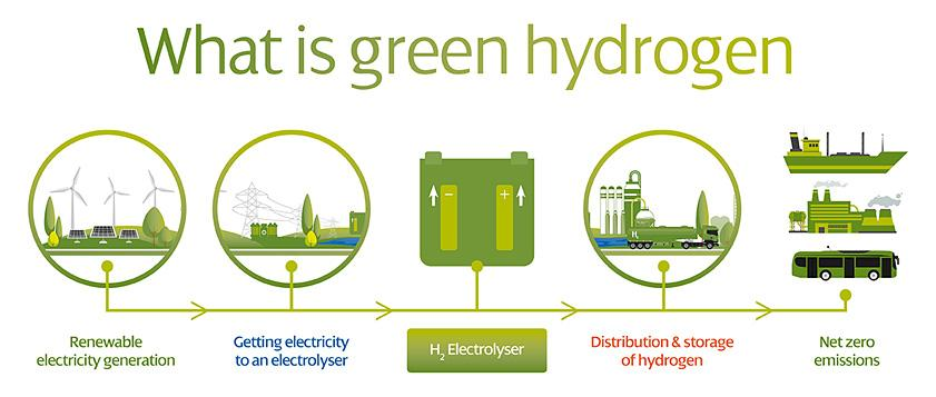
 What is Green Hydrogen?